
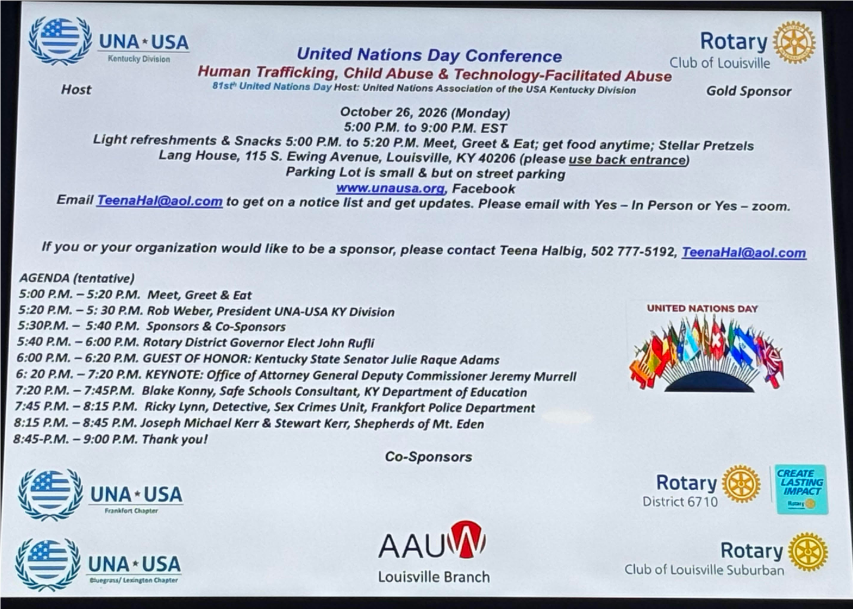
Local human-trafficking task forces create the relationships that turn concern into coordinated action. They bring together people who may encounter exploitation in very different settings: schools, hospitals, shelters, courts, social-service agencies, businesses, faith communities, and law enforcement. By learning one another’s roles, referral pathways and limits, partners can recognize warning signs sooner, respond in a survivor-centered way and avoid leaving vulnerable people to navigate fragmented systems on their own. Is there an anti-trafficking task force in your area? Or a similar joint effort in your country or region?
Prevention depends especially on this interdisciplinary approach. It means identifying vulnerabilities before traffickers exploit them: housing instability, unmet mental-health needs, family conflict, online exploitation, economic hardship and isolation. It also means equipping adults and young people with practical information, strengthening protective community connections, and creating accessible avenues for help.
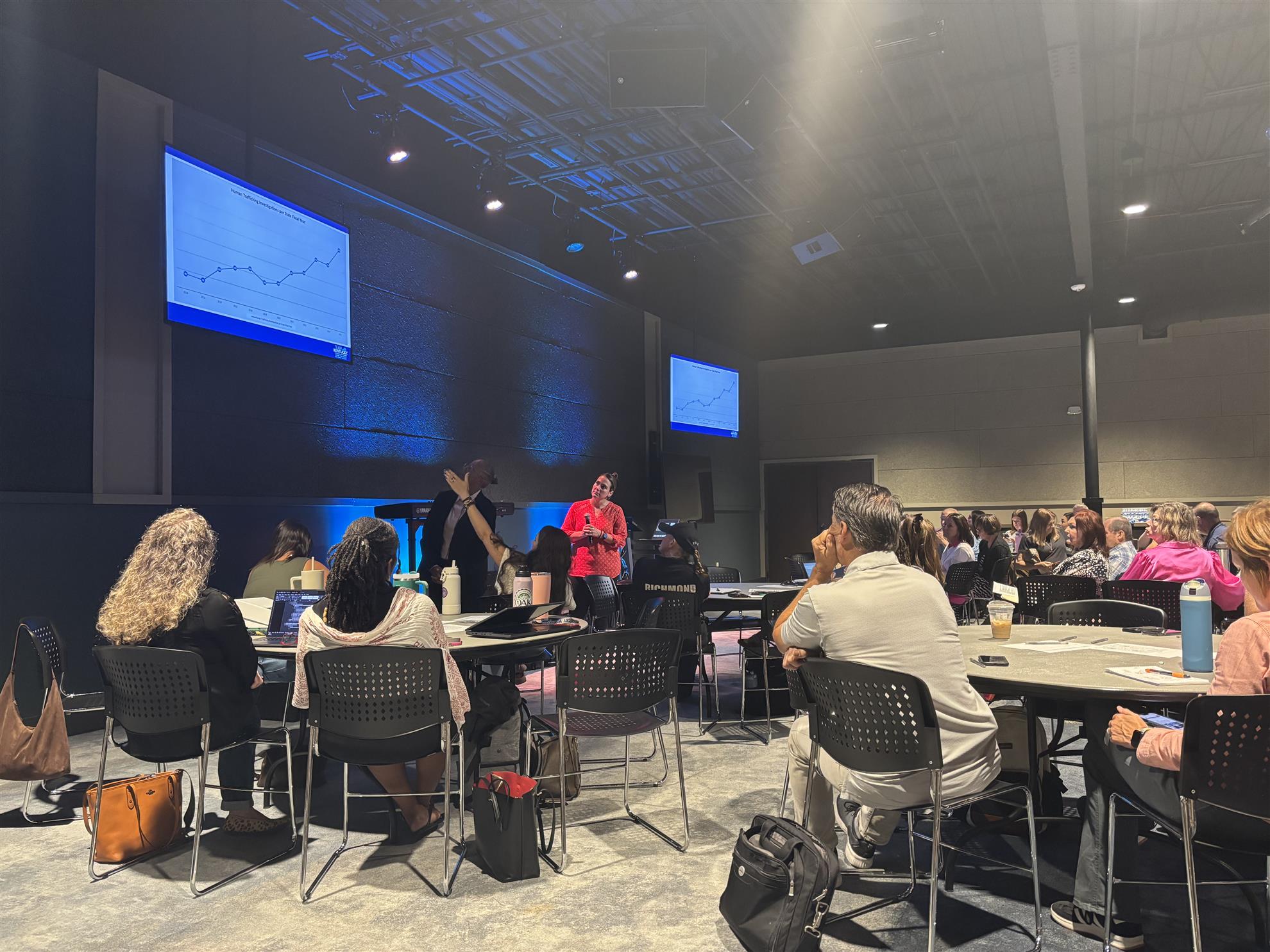
While living in California, I regularly attended the meetings of the Orange Country anti-trafficking task force. After moving to Kentucky, I joined the state task force and became active in the Education and Prevention Work Group, very much in line with the mission of our Rotary Club. A good example of what we do is the Human Trafficking Service Providers Summit that took place on September 3, 2026, with participation of about thirty service providers, advocates, educators, law-enforcement professionals, health-care workers and community leaders in Shelbyville (KY), United States.
Local human-trafficking task forces create the relationships that turn concern into coordinated action. They bring together people who may encounter exploitation in very different settings: schools, hospitals, shelters, courts, social-service agencies, businesses, faith communities and law enforcement. By learning one another’s roles, referral pathways and limits, partners can recognize warning signs sooner, respond in a survivor centered way and avoid leaving vulnerable people to navigate fragmented systems on their own. Is there an anti-trafficking task force in your area? Or a similar joint effort in your country or region?
Prevention depends especially on this interdisciplinary approach. It means identifying vulnerabilities before traffickers exploit them: housing instability, unmet mental-health needs, family conflict, online exploitation, economic hardship and isolation. It also means equipping adults and young people with practical information, strengthening protective community connections, and creating accessible avenues for help.
While living in California, I regularly attended the meetings of the Orange Country anti-trafficking task force. After moving to Kentucky, I joined the state task force and became active in the Education and Prevention Work Group, very much in line with the mission of our Rotary Club. A good example of what we do is the Human Trafficking Service Providers Summit that took place on September 3, 2026, with participation of about thirty service providers, advocates, educators, law-enforcement professionals, health-care workers and community leaders in Shelbyville (KY), United States.
The gathering underscored a central truth in our work: no individual agency, profession, or organization can prevent human trafficking alone. The Shelbyville Summit appropriately emphasized prevention as both a shared responsibility and a long-term commitment. Participants did not simply receive information; they actively exchanged resources, built contacts and considered how their own organizations can contribute to a stronger local safety net We were also encouraged by the participation of a Rotarian from Louisville, Teena Halbig whose leadership has been instrumental in advancing Kentucky legislation addressing sextorsion.
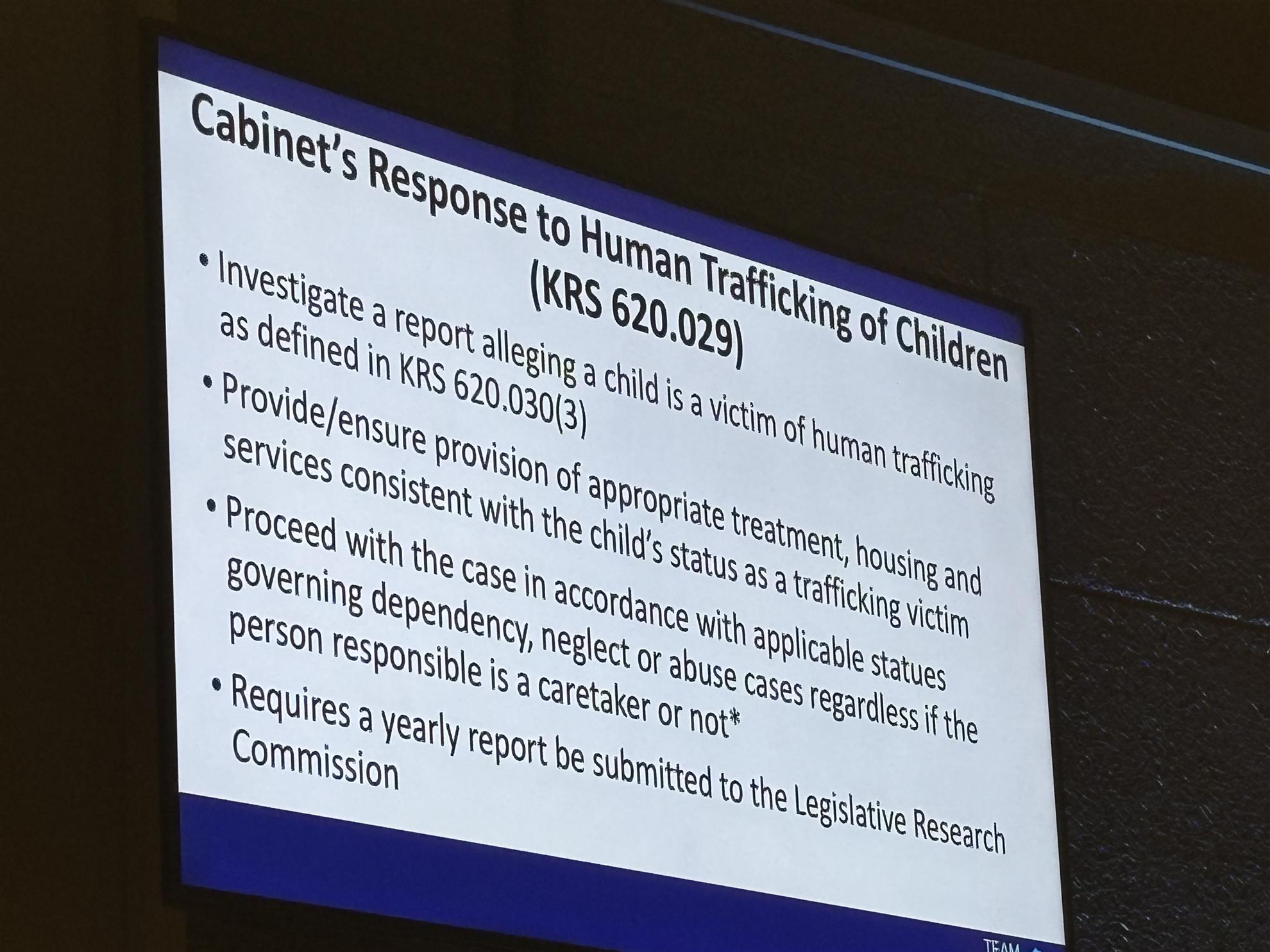 Sextorsion, coercing someone through threats to share intimate images or information, illustrates why prevention must include online safety, public education, survivor support, and effective laws. Unfortunately, often it is a part of grooming potential trafficking victims.
As Rotarians, we can convene, educate, advocate, and connect. Local task forces give those commitments a practical home. Together, we can make prevention visible, coordinated and truly community-wide.
Submitted by: Laura Dryjanska